
Automotive body welding
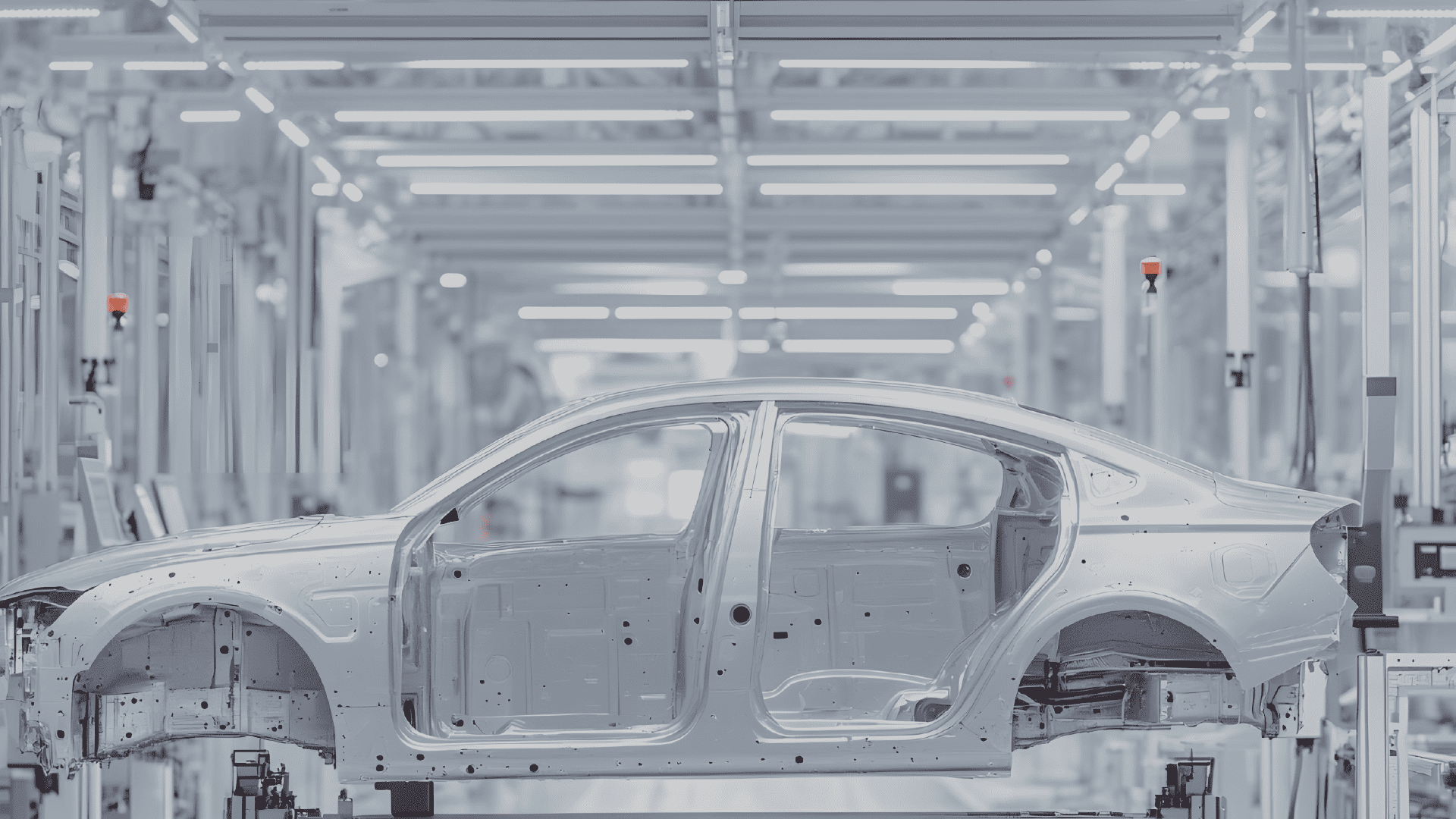
Automotive body welding is one of the core processes in modern automotive manufacturing, ensuring that the vehicle structure meets requirements for strength, stiffness and safety. It forms the backbone of the body-in-white (BIW), where individual metal panels are joined to create a rigid and durable framework. High-quality welding not only guarantees structural integrity but also plays a key role in improving NVH (Noise, Vibration and Harshness) performance and overall product quality. Advanced welding methods such as spot welding, laser welding and arc welding are widely used to create strong, precise and reliable joints across various components, supporting both structural performance and design requirements.
With the rise of automation, robotic welding systems are extensively used to achieve high precision, consistency and efficiency in production. These systems minimize human error, ensure uniform weld quality and significantly increase production speed. Additionally, strict inspection methods such as ultrasonic testing, visual inspection and real-time monitoring systems help detect defects early and maintain high quality standards. As lightweight materials like high-strength steel and aluminum alloys become more widely adopted, welding technologies continue to evolve to address new challenges such as material compatibility and heat control. This continuous advancement contributes to improved durability, enhanced safety and superior overall vehicle performance.